
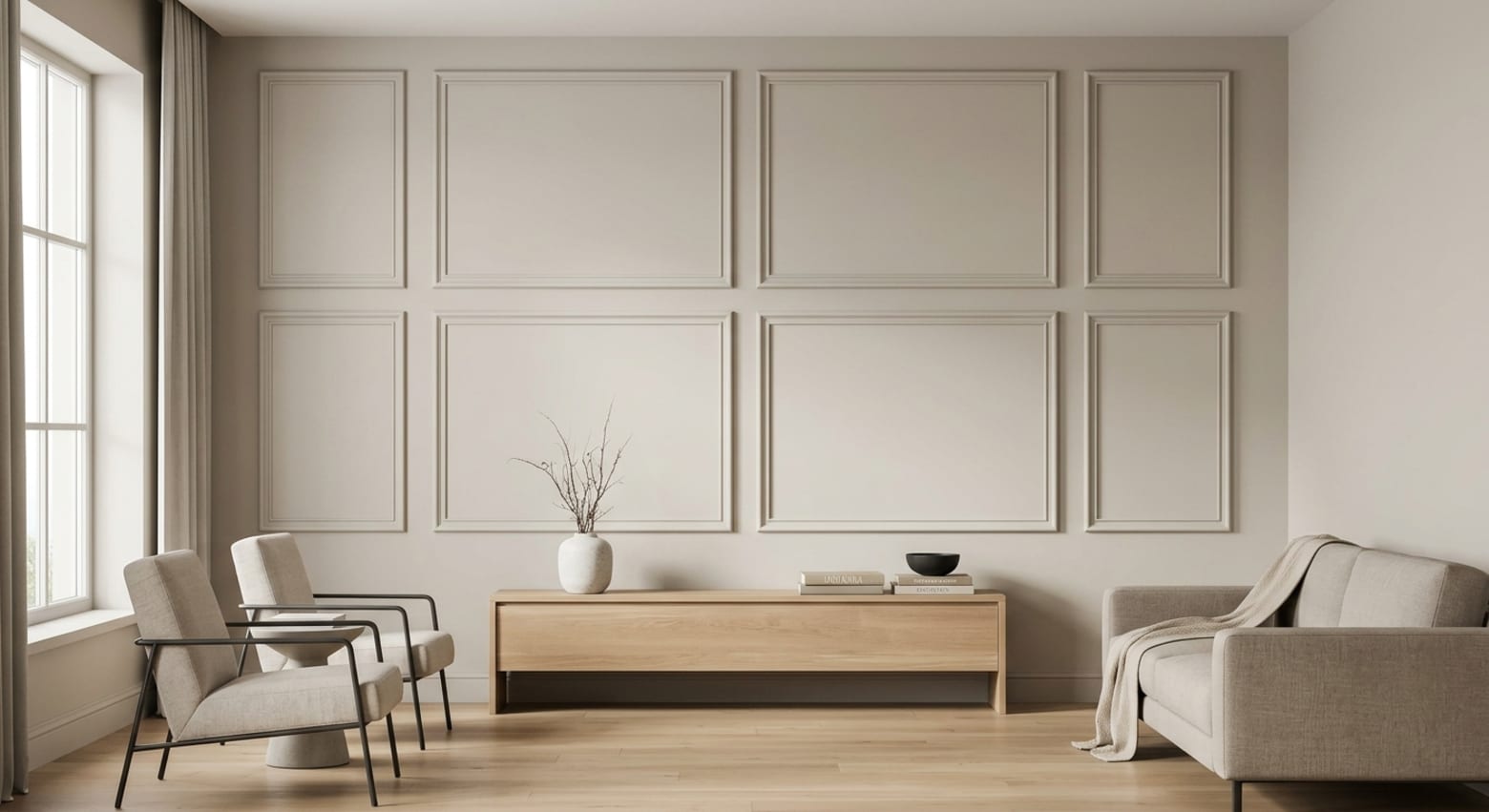
Decorative molding is a simple yet effective way to add architectural character to interior spaces. Whether used to frame wall panels, highlight ceilings, or create elegant borders, molding brings structure and visual interest to otherwise plain surfaces. The right layout can transform a room without requiring major renovations, making it a popular choice for homeowners who want to refresh their interiors with thoughtful details.
For many decorating projects, polyurethane molding offers a versatile solution that works well with both traditional and contemporary designs. Its lightweight construction, variety of profiles, and suitability for painted finishes make it useful for creating everything from classic rectangular wall frames to clean geometric patterns. Choosing an appropriate layout is essential for achieving a balanced result that complements the room's dimensions, furniture, and overall atmosphere.
Classic Molding Layouts for Timeless Elegance
Classic interiors often feature symmetry, balanced proportions, and carefully arranged decorative details. One of the most recognizable layouts is the rectangular wall panel, where molding forms frames across the wall at consistent intervals. This arrangement creates a sophisticated appearance that suits formal living rooms, dining areas, and traditional bedrooms.
For a balanced design, consider using larger rectangular panels in the center of a wall and narrower panels near the edges. Maintaining equal spacing between frames helps the arrangement feel organized. The molding should also align with surrounding architectural features, such as doors, windows, and skirting boards.
Another traditional option is combining wall panel molding with crown molding. This creates a coordinated appearance from floor to ceiling and adds depth to the room. In interiors with higher ceilings, slightly more elaborate profiles can emphasize architectural height without making the walls feel empty.
Modern Layouts with Clean Lines
Modern interiors typically favor simplicity, functionality, and uncluttered surfaces. Instead of intricate ornamentation, contemporary molding layouts often use straight lines, minimal profiles, and geometric arrangements.
Large rectangular frames are particularly effective in modern living rooms and bedrooms. They create subtle architectural interest while preserving a clean appearance. Some designs use asymmetrical panels or repeated vertical lines to introduce movement without overwhelming the space.
For a minimalist finish, painting the molding the same color as the wall is an effective approach. The resulting shadows and contours provide depth without introducing strong visual contrasts. This technique works especially well with neutral palettes, including warm white, beige, gray, and muted earth tones.
Choosing the Right Layout for Each Room
The most suitable molding arrangement depends on the room's size, ceiling height, and existing furnishings.
In living rooms, evenly spaced wall panels can create a focal point behind a sofa or television area. The layout should relate to the furniture's dimensions rather than treating the wall as an isolated surface.
Bedrooms often benefit from a symmetrical arrangement behind the bed. A larger central panel can emphasize the headboard, while smaller surrounding frames create a cohesive composition.
Dining rooms provide an opportunity for more formal layouts, particularly when paired with decorative lighting and elegant furniture. In hallways, narrower vertical panels can make the space feel taller and more structured.
Smaller rooms generally benefit from simpler layouts with generous spacing. Too many frames or excessively detailed profiles can make limited wall space feel crowded.
Plan Before Installing
Careful planning helps prevent uneven spacing and awkward proportions. Begin by measuring the wall and identifying doors, windows, outlets, and furniture positions. Draw the proposed layout on paper or mark the outlines with painter's tape to evaluate the arrangement before installation.
Check that the frames maintain consistent margins from corners, ceilings, and floors. For symmetrical designs, measure each section carefully and use a level to ensure straight lines. Select a molding profile that complements the intended layout, and follow the manufacturer's instructions for cutting, adhesive application, and finishing.
Create a Cohesive Interior
Decorative molding works best when it complements the entire room rather than competing with other features. Coordinate the profile and finish with existing trim, flooring, furniture, and lighting. Classic interiors may call for detailed frames and traditional proportions, while modern spaces often look better with simple geometric designs.
Ultimately, the most successful molding layouts combine creativity with careful planning. By selecting appropriate proportions, maintaining consistent spacing, and matching the design to the room's style, homeowners can create attractive interiors that feel balanced, welcoming, and timeless.
#PanelMolding #PolyurethaneMoldings